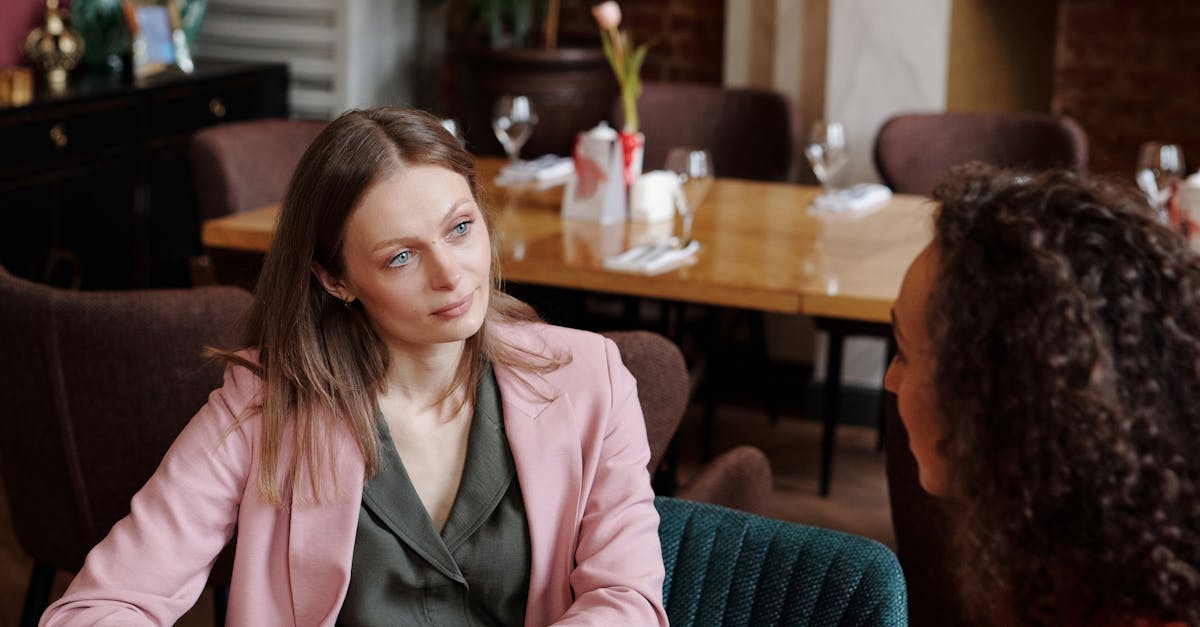
It’s Not Loneliness. It’s Performance Exhaustion
Here’s the thing nobody tells you: dating, when you’re a woman running things in Hyderabad, isn’t about finding someone. It’s about performing. Again.
Think about your day. You’ve just spent 10 hours negotiating, managing, explaining, leading. You’ve solved problems people didn’t even know they had. Then you open an app. And you’re back at zero. Explaining who you are. What you do. Why you’re “still single.” Performing a highlight reel for someone who might ghost you after coffee.
The real problem: nobody talks about the sheer emotional labor of it. It’s not loneliness. It’s the specific kind of tired that comes from having to reintroduce yourself one more time to someone who might not even be listening. I’ve talked to enough women in those glass towers in Gachibowli and those quiet villas in Jubilee Hills to know this is the default feeling.
The silence in a luxury apartment after a 14-hour day has a specific weight. It’s not empty. It’s full of everything you didn’t say.
If this sounds painfully familiar, you’re not imagining it. This is what a different path looks like — one without the performance.
The Modern Dating Trap (And Why You Keep Falling In)
We all know the cycle. Swipe right on a profile that looks promising. Match. The same five opening questions. “What do you do?” “How was your day?” “What are you looking for?” You craft careful answers. You try to be interesting but not too intense. Successful but not intimidating. Available but not needy.
It’s a headache, honestly.
And the worst part? The time investment is brutal. Two hours of texting over three days to set up one coffee date that might be awkward. An hour of getting ready. An hour of the date itself. The post-date analysis with your friends. For what? A 50/50 chance of a second date. A 10% chance of something real. The math doesn’t work. Not for women whose time is their most valuable currency.
I think — and I could be wrong — that this is why so many high-achieving women just stop. Not because they don’t want connection. But because the system feels rigged. The effort-to-reward ratio is completely off. You’re using a high-energy, low-yield strategy in every other part of your life. Why would you accept it here?
Anyway. Where was I.
Right. The trap. It’s designed for volume, not depth. And for women who need depth to feel anything at all, it’s a guaranteed path to burnout. I was reading something last month about how emotional wellness gets sidelined when you’re constantly in performance mode. It applies here completely.
Expert Insight
I was talking to someone about this last week — over chai, actually — and she said something I keep thinking about. She’s a behavioral researcher who studies high-performing professionals.
“The more competent someone is in their professional life,” she said, “the more they expect relationships to function like a project. Clear objectives. Efficient processes. Measurable outcomes. But human connection doesn’t work that way. It’s messy. It’s inefficient. It requires vulnerability, not just competence.”
She paused. “So the very skills that make them successful at work become a liability in dating. They try to manage it. Optimize it. And when it doesn’t yield results, they feel like they’ve failed. It’s a brutal setup.”
It’s not that they’re doing it wrong. They’re using the only toolkit they have. And it’s the wrong one for the job.
Consider Riya: A Tuesday in Jubilee Hills
Let’s talk about Riya — 37, a partner at a venture fund based in Jubilee Hills. Third coffee of the day. No food since lunch.
Her phone buzzes. It’s a match from two nights ago. “Hey! So you’re a VC? That sounds intense. Bet you’re a workaholic lol.”
She puts the phone face down. Doesn’t reply. She’s had this conversation forty-seven times. She doesn’t want to explain her job. Or defend her schedule. Or laugh off the “workaholic” comment that’s meant as a joke but feels like a judgment.
What she wants — and this is the only thing that matters here — is someone who already gets it. Someone who doesn’t need the 45-minute context download about term sheets and portfolio companies. Someone who understands that a 9pm dinner is a victory, not a compromise.
She’s not looking for a project. She’s managing enough of those. She’s looking for a refuge. A place where she doesn’t have to perform.
Most women already know this. They just haven’t said it out loud yet.
Public vs. Private: What Are You Actually Choosing?
Let’s be direct. Conventional dating is public. Your profile is public. Your matches are public knowledge among your friends. Your dates happen in public places. Your relationship status becomes office gossip if you date someone in your industry.
For women in visible positions, that’s a real cost. Every public date is a potential story. Every relationship is a potential topic of discussion in a boardroom where you’re trying to be taken seriously.
Private connection is different. It’s not about secrecy in a shady way. It’s about intentional privacy. The freedom to explore a connection without an audience. Without expectations. Without the narrative.
It’s the difference between a performance and a conversation.
| Public Dating (Apps & Social) | Private, Meaningful Connection |
|---|---|
| Starts with a public profile & judgment | Starts with shared values & emotional compatibility |
| Time-consuming small talk & “getting to know you” phases | Skips to substantive connection; both parties are clear on intent |
| Pressure to curate a “perfect” image for an audience | Freedom to be authentic without performance |
| Relationship timeline driven by social expectations | Pace & nature of connection driven purely by mutual comfort |
| Emotional risk of public rejection or gossip | Discreet space to explore connection without external noise |
| Often feels like a second job of management | Designed to feel like a respite, not another responsibility |
Look, I’ll just say it: the second column isn’t for everyone. But for women whose public life is already a full-time performance, it’s often the only way connection feels possible. It takes the edge off. This piece on private relationships gets into the psychology of why that matters.
The Real Mistake Most Women Make (And How To Stop)
Okay. The biggest mistake I see? Treating your need for deep, private connection as a problem to solve. As a sign that something’s wrong with you.
It’s not.
It’s a feature of your life, not a bug. You’ve built a career that demands intensity, focus, and visibility. It makes complete sense that your approach to relationships would need to be different. More intentional. More protected.
The mistake is trying to force the square peg of your complex, demanding life into the round hole of conventional dating. It’s exhausting because it’s never going to fit.
The fix — and this is the hard part — is giving yourself permission to want something different. To seek connection on terms that actually work for you. Not the terms the apps are selling, or your friends are using, or society says you should want.
Earlier I said dating apps don’t work. That’s not quite fair. They work for some people. But for the woman reading this — the one who’s successful, time-poor, and emotionally intelligent — they usually don’t. The ratio is off. And that’s okay. It means you need a different model. Not that you’re broken.
So What Does “Different” Actually Look Like?
Different means connection that starts from compatibility, not just curiosity. It means someone who understands your world because they move in similar circles — or at least, they understand the pressures of high-stakes professionalism. It means discretion is built in, not negotiated later.
It looks like a quiet dinner where you don’t have to explain your job. A conversation that goes deep quickly because you’re both past the surface-level games. A relationship that exists to add to your life, not to become another item on your to-do list.
It’s not a transaction. It’s a mutual choice for a certain kind of ease.
And honestly, I’ve seen women choose this and feel a sense of relief they didn’t expect. And I’ve seen others stick with conventional dating and make it work. Both are true. But if you’re reading this and feeling that tiredness in your bones — the tiredness of performance — then the first option might be worth understanding.
Wondering how this translates off the page? This is how it works in practice — no performance required.
Frequently Asked Questions
Isn’t wanting a private connection just avoiding commitment?
No — it’s the opposite, actually. It’s choosing a specific kind of commitment. One based on mutual understanding and emotional presence, not just public labels. Many women find they can be more authentically committed in a private, low-pressure space than in a high-expectation public relationship.
How is this different from casual dating?
Casual dating is often about avoiding depth. What we’re talking about is about prioritizing depth over public performance. It’s meaningful connection without the social script. The focus is on emotional compatibility and genuine companionship, which is often deeper than many “serious” public relationships.
Do successful women in Hyderabad really struggle with dating apps?
Nine times out of ten, yes. The challenge isn’t getting matches — it’s finding matches who understand their lifestyle without judgment, and who don’t add emotional labor to an already demanding life. The dating challenges are real and specific to their professional context.
Isn’t this just for women who are “too busy” for a real relationship?
I’m not entirely sure, but I think that’s the wrong way to see it. It’s for women who want a different quality of relationship. One that fits the reality of their life, rather than forcing their life to fit a traditional relationship model. It’s about compatibility with their actual existence, not their hypothetical free time.
How do you build trust in a private connection?
The same way you build it anywhere — through consistency, honesty, and mutual respect. The difference is that the trust is between the two people involved, not performed for an outside audience. Often, that lack of external pressure allows trust to build more naturally and quickly.
Final Thought
I don’t think there’s one answer here. Probably there isn’t.
But if you’ve read this far, you’re not just curious. You’re recognizing something. That tiredness you feel after a “good” date? That’s not normal. That’s your system telling you the cost is too high.
The question isn’t whether you need connection. You’re human. Of course you do.
The question is whether you’re ready to stop paying for it with your last scraps of energy. Whether you’re ready to want it in a way that actually works for you, not against you.
Most women already know what they’re looking for. They’re just figuring out if it’s okay to want it.
It is.
Ready to see what that actually looks like? Start here — quietly, at your own pace.