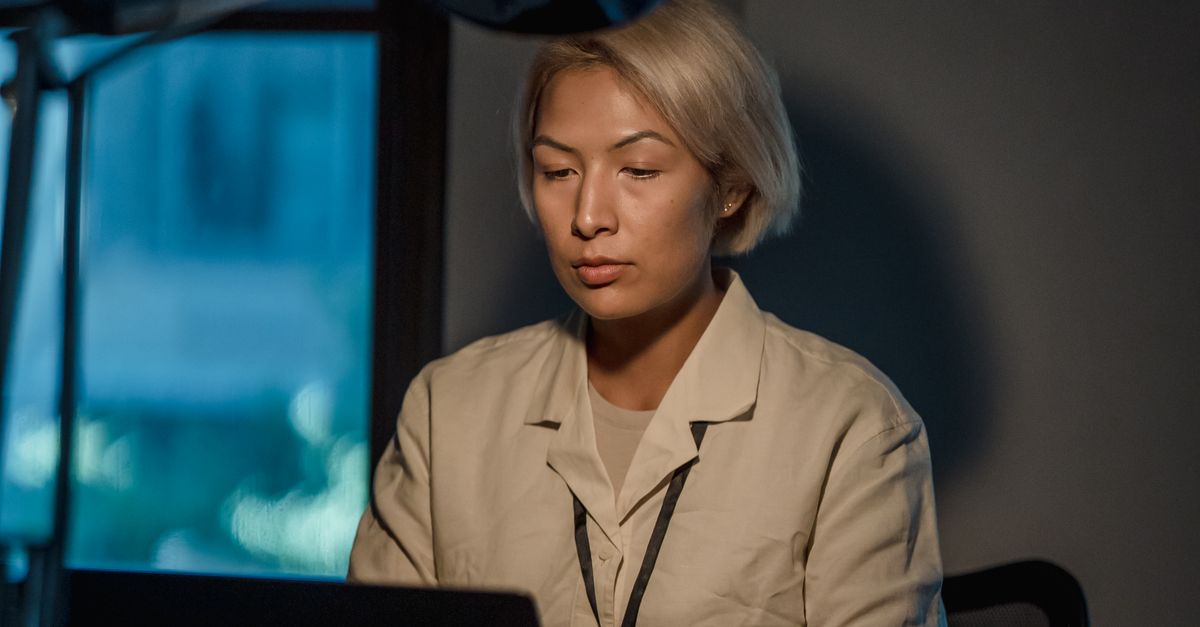
It's 9:45pm on a Tuesday in Nallagandla
The office is mostly empty now. You've been in back-to-back sprints since 10am — the kind where you forget to drink water. Your phone has 47 unread messages, mostly from your team. You open the fridge, stare at it, close it. Nothing sounds good. You're not hungry. You're something else.
This is the part nobody prepared you for: the quiet that follows a full day of doing. Of solving. Of delivering. And it's not regular quiet — it's the kind that sits on your chest. You have a good job. A solid career. People respect your work. But the loneliness that creeps in at this hour doesn't care about any of that.
Welcome to this guide on loneliness and emotional health for IT professionals in Nallagandla, Hyderabad — written not as a polished plan, but as a conversation between people who've been in that kitchen, at that hour, asking the same question.
What most people don't realize is — loneliness in IT isn't about being alone
It's about being surrounded by people who don't see you. The team is great. The work is interesting. But after a certain point, the small talk about deadlines and deliverables just… stops landing. You want someone who asks a different question. Not "did you fix the bug?" — but "how are you holding up?"
I've talked to women in Nallagandla — and across Gachibowli, too — who describe this exact feeling: successful on paper, hollow at 10pm. One of them, let's call her Riya, is a 31-year-old senior engineer. She told me: "I have everything I need. Except someone who actually wants to know how I am. Not my work. Me." She hadn't taken a full Sunday off in six months.
That's the thing about emotional health in this context: it's not about fixing depression. It's about noticing that the silence in your life has started to feel heavy. And knowing — really knowing — that it's okay to want something different.
So, what does this look like in daily life?
Let me describe a scene I've seen more times than I can count. A professional woman in Banjara Hills — 38, runs a team of 25 — gets home at 8:30pm. She pours water. Stands at the window for a while. Looks at the lights of Jubilee Hills. Doesn't call anyone. Doesn't want to explain. She just wants someone who gets it without her having to say it.
This is the quiet struggle. And it's not a "problem" in the way we usually use that word — it's more like a specific kind of hunger. For connection that isn't transactional. For someone who doesn't need your LinkedIn summary to decide if you're worth their time.
I'm not saying this is for everyone. I'm saying — for a lot of women in this city, in this industry, it's the only thing that actually makes sense. And the question isn't whether you need it. It's whether you're ready to admit that you do.
The real gap: why traditional dating isn't the answer for most IT women
Let's be honest. Dating apps feel exhausting after a 12-hour workday. Swipe, match, explain yourself all over again. "So what do you do?" — and then you have to decide how much of your actual life to share. No thank you.
Nine times out of ten, the women I've spoken to say the same thing: "I don't have the energy to start over with someone new every single time." And that's the part people don't talk about — the emotional labor of dating when you're already running on empty. It's not about being antisocial. It's about being selective with where your energy goes.
The comparison below might help clarify what's actually different.
| Dating Apps | Private Companionship |
|---|---|
| Requires constant small talk | Starts from emotional alignment |
| You explain your life every time | You're seen as you are, not as a bio |
| High effort, low match quality | Curated for your actual needs |
| Public, visible, sometimes awkward | Quiet, discreet, no social pressure |
| Energy goes to swiping, not connecting | Energy goes to one conversation that matters |
And that's the gap that something like Secret Boyfriend was built to fill — quietly, without the noise of conventional dating. Not for everyone. But for women who already know what they want and don't want to waste time getting there.
What emotional health actually needs — and it's not what you think
I was reading something last month — a piece on burnout in high-performing women — and one line stuck with me. The researcher said something like: "the more capable someone is, the harder it becomes to ask for help." That applies to connection too. Completely.
You're a senior engineer. You lead projects. You solve problems. And then you're supposed to turn around and say "I need someone" — like it's a task on a sprint board. It doesn't work that way. The need is softer. Messier. It shows up at odd hours — not when you're busy, but when you're still.
And that's why emotional health for IT professionals isn't about "self-care" in the Instagram sense. It's about having one person who doesn't ask you to perform. Who doesn't need you to be "on." Just someone who's there, in the quiet, without a script.
Common mistakes women make — and one thing that actually works
I've seen women make two mistakes, mostly. First: they try to fix loneliness the same way they fix a production issue — by optimizing. More apps, more profiles, more "putting yourself out there." But that just increases the noise. It doesn't increase connection.
Second mistake: they wait until they're desperate to look. And by then, the bar is so low that anything seems okay. I've heard enough stories now to know — the women who do this well don't wait for a crisis. They look when they're fine, when they're curious, when they have the energy to be intentional.
And the one thing that actually takes the edge off? Finding a space where you're not the only one who feels this way. Where the question isn't "what's wrong with you?" — but "what do you need?".
That's the value of something like this. Not as a fix. As an acknowledgment that you're not crazy for wanting what you want.
Frequently Asked Questions
Is this just about dating, or is it about something deeper?
It's deeper. It's about having someone who sees you without your job title — who understands the rhythm of your life and doesn't need you to explain it every time. That's the emotional part.
How is this different from regular dating?
Regular dating asks you to start from scratch each time. Private companionship starts from a shared understanding of what your life actually looks like — no performance, no small talk you don't mean.
Does this work for women in Nallagandla specifically?
Yes — because the IT culture here is unique. Long hours, high focus, and a social life that often revolves around work. The kind of connection that works here is one that respects your time and your quiet.
Is it discreet?
That's the whole point. No public profiles, no awkward mutual friends. Just one person who knows your situation and doesn't judge it. And honestly, most women I've spoken to say that's the part they value most.
What if I'm not sure I need this?
You probably don't — not in a way that feels urgent. But if you've read this far, it means something in what I've said already clicked. And that's worth paying attention to. Not as a fix. As a clue.
One last thing
I don't think there's one answer here. Probably there isn't. But if you've read this far, you already know what you're looking for — you're just figuring out if it's okay to want it. And it is. The quiet doesn't have to stay quiet. It just needs the right person to share it with.
If this resonates, this is where to start. No pressure. Just see if it fits.