The Quiet Price of a Successful Career
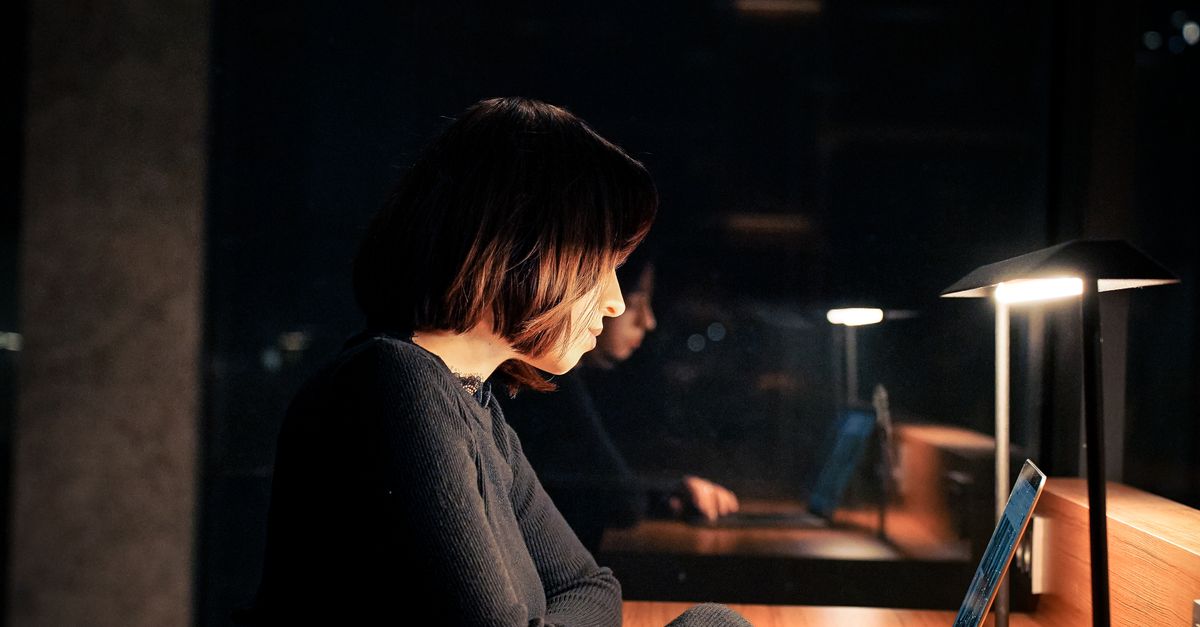
She wakes up before the alarm. Not because she's rested — because she's already running through today's code review in her head. By 8am she's in the car, headed to HITEC City, phone buzzing with Slack messages she'll answer at the first red light. And she's good at her job. Really good. But here's the thing nobody tells you about being a senior software engineer in Jubilee Hills: the work doesn't end when you close your laptop. It follows you home. It sits in the chair across from you while you eat dinner alone. And the balance everyone talks about? It feels like a myth. Something other people have.
I think — and I could be wrong — that the real problem isn't time management. It's emotional bandwidth. You spend all day solving problems, debugging systems, making decisions. By 9pm, the last thing you want is to explain your life to a stranger. You just want someone who already gets it. Without the performance. Without the small talk that goes nowhere. And that's where the work-life balance conversation gets honest.
If you've been wondering what that kind of connection looks like without adding more to your plate, explore how it works here — no pressure, no commitment.
What Imbalance Actually Does to You
Let's be specific. When your work week averages 60 hours, when your weekends are catch-up time, when your phone has 47 unread messages from family you haven't replied to — something happens. Not to your productivity. To your heart.
Consider Meera — a 32-year-old senior engineer in a well-known firm in Gachibowli. She's built a life most people envy. Own apartment. International trips. Stock options. But she got home last Tuesday at 9:30pm, poured a glass of water, stood at her window looking at the Jubilee Hills lights. Didn't call anyone. Didn't want to explain. That is the cost of imbalance. Not burnout. Quiet.
And the dating apps? They feel like a second job. Swipe, match, explain your schedule again. Most women I've spoken to say the same thing: it's exhausting. Not because they don't want connection. Because the effort-to-reward ratio is off. Completely.
I was talking to someone about this last week — over chai, actually — and she said something I keep thinking about: 'I don't need someone to fill my calendar. I need someone who doesn't drain my energy.' That's the difference.
Which is… a lot to sit with.
Dating Apps vs. What Actually Works
The obvious option is dating apps. But for a woman in tech with no spare emotional energy, they often make things worse. Here's a quick comparison:
| Aspect | Dating Apps | Private Companionship |
|---|---|---|
| Time investment | Hours of swiping, chatting, filtering | Minimal — you set the pace |
| Emotional energy | High — you explain yourself repeatedly | Low — built around understanding |
| Privacy | Public profile, mutual friends see | Completely discreet |
| Expectation pressure | Constant — dates, proposals, labels | None — just presence when you need it |
| Relevance to your life | Generic matches who don't get your world | Someone who genuinely understands high-pressure careers |
I'm not saying apps never work. But for the women I've worked with in Banjara Hills and Jubilee Hills, the ratio of effort to reward is just… off. They end up more drained than before. Which is exactly why platforms like Secret Boyfriend are built around discretion, emotional compatibility, and zero judgment.
Anyway. Where was I.
Expert Insight
I was reading something last month — a piece on burnout in high-performing women — and one line stuck with me. The researcher said something like: the more capable someone is, the harder it becomes to ask for help. That applies to connection too. Completely. I don't have a cleaner way to put it than that. The women I speak to — they've built their own empires. They don't want to be saved. They just want someone to sit with them in the silence at the end of the day. No questions asked.
Why Private Companionship Makes Sense for Tech Professionals
The thing about — okay, let me rephrase that. The thing about work-life balance for software engineers in Jubilee Hills isn't really about work or life. It's about what fills the space between. When you're running on empty, you don't need more logistics. You need presence. Simple, low-expectation human presence.
She doesn't want — no, that's not right either. She wants connection, but she wants it on her terms. After twelve hours of debugging, the last thing she needs is to negotiate someone else's calendar. Private companionship gives her the ability to have that closeness without the overhead. A dinner. A conversation. Someone who truly gets the pressure of quarterly releases and late-night rollbacks.
And honestly, I've seen women choose this and regret it. And others choose it and never look back. Both are true. It's not for everyone. But for the ones who need it, it's the only thing that actually works.
Earlier I said dating apps don't work. That's not quite fair — some women I've spoken to have had genuinely good experiences. It's more that for most women in this specific situation, the ratio of effort to reward is just… off. Private companionship flips that ratio. Takes the edge off the loneliness without adding more friction.
Think about it this way. A relationship psychologist I vaguely recall — don't quote me on the exact numbers — but something like 70% of high-achieving women report feeling disconnected despite success. The stat was high. Doesn't matter exactly. What matters is that it's real. And there are ways to navigate it that don't involve burning more hours.
Practical Steps to Reclaim Your Emotional Space
So what does this look like in practice? If you're a professional woman in Hyderabad with a crushing schedule, here are a few things that actually help:
- Accept that your time is a premium. Stop apologizing for not having hours to invest in traditional dating. Your life works differently. Own it.
- Look for relationships built on compatibility rather than chance. That means finding someone who already understands the lifestyle of a tech professional.
- Prioritize emotional safety. The whole point is to not have another thing to manage. Discretion matters. Trust matters.
- Try something that matches your pace. That could be a private companionship service designed for high-achievers, or a curated dating pool. The key: choose low-friction, high-understanding.
And if any of this feels familiar, this is where to start. No pressure. Just see if it fits.
Frequently Asked Questions
How does work-life imbalance affect relationships for software engineers in Jubilee Hills?
It drains the emotional energy needed for connection. After long hours, even texting feels like work. Many professional women find themselves isolating, not because they don't want closeness, but because they have nothing left to give. Private companionship fills that gap without adding demands.
Is private companionship the same as dating?
No. It's about presence without pressure. You're not building toward a relationship label or living up to expectations. It's companionship on your terms — a conversation, a dinner, someone who simply gets your world. Ideal for women who value their time and privacy.
Can I maintain my privacy while exploring this?
Absolutely. Discretion is built into the experience. Platforms like Secret Boyfriend prioritize confidentiality — no public profiles, no mutual friends, no awkward conversations. Your personal and professional life stay separate.
What if I'm not sure this is for me?
That's completely normal. Most women hesitate at first. The best advice: take a quiet look. See if the idea resonates without forcing anything. There's no obligation to move forward. Just curiosity allowed.
How do I find a companion who understands my tech career?
Services like Secret Boyfriend match based on lifestyle and emotional needs, not just hobbies. You're connected with people who understand high-pressure careers in Hyderabad — from Jubilee Hills to Gachibowli. No need to explain your world from scratch.
Conclusion
The real work-life balance myth is that you can have everything and feel nothing. But you can have a successful career and still crave touch, conversation, someone who sees you beyond your job title. The question isn't whether you need this. It's whether you're ready to admit that the imbalance isn't just in your schedule. It's in your heart.
I don't think there's one answer here. Probably there isn't. But if you've read this far, you already know what you're looking for — you're just figuring out if it's okay to want it.
Curious what this actually looks like in practice? Take a look — no commitment, no noise.