
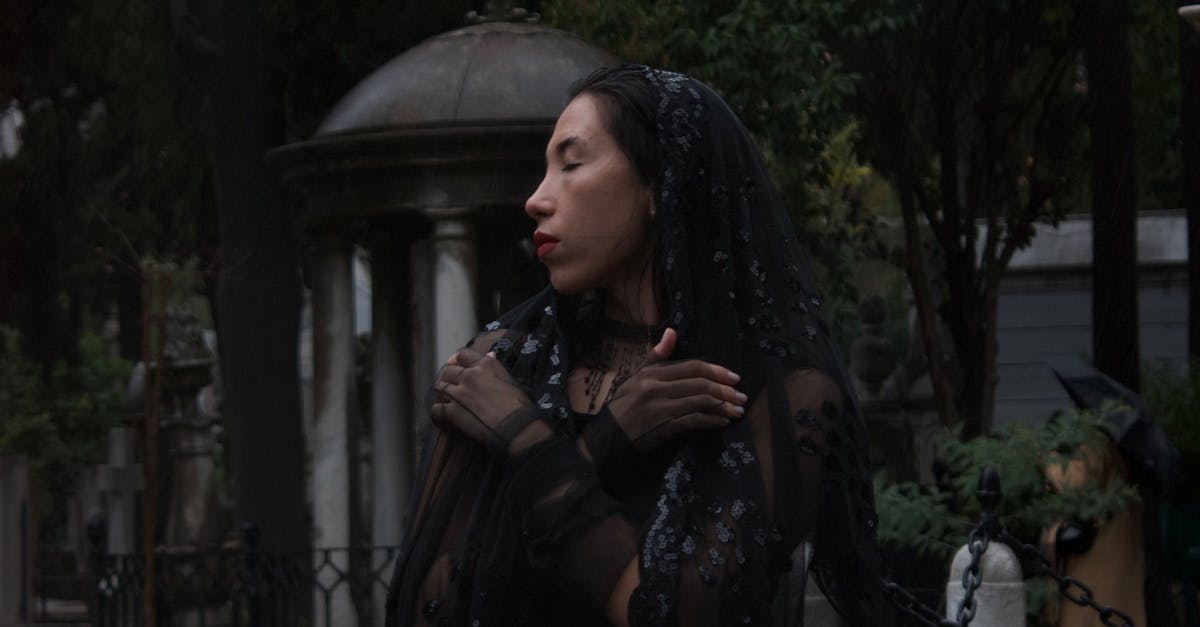
The Sunday evening you didn’t expect
You hosted. You smiled. You answered the same questions about “how you’re doing” at least five times. And now the last guest has left. The door clicks shut. The house feels… empty in a way that quiet doesn’t quite cover. You stand in the kitchen looking at leftover biryani and think: now what?
This is the part nobody warns you about. Widowhood in Secunderabad — or anywhere, really — isn’t the funeral. It’s the Tuesday after. It’s the weekend that stretches out like a long corridor with no doors. And the well-meaning relatives who invite you for lunch mean well, but their company comes with a side of pity you didn’t ask for.
I think — and I could be wrong — that what widows in Secunderabad deserve isn’t more busy weekends. It’s something deeper. Something that doesn’t ask you to perform “getting better.”
The real problem nobody talks about
There’s a difference between being alone and being lonely. Most people don’t get that. They see a woman living by herself and assume the problem is time on her hands. So they fill it: kitty parties, temple visits, weekend trips with groups. And that helps — for a few hours.
But then comes the Wednesday night. 9pm. You’ve finished your work emails, watched half a show on Netflix, and now you’re just… sitting. Not tired enough to sleep. Not hungry enough to cook. Just there.
That’s where the loneliness lives. It’s not about having nothing to do. It’s about having no one who sees you. No one who knows that you used to laugh loudly, or that your husband always put extra chili in the dal, or that you still sometimes reach for the phone to call him before remembering.
Context matters. A widow in Secunderabad isn’t just grieving — she’s navigating a society that expects her to be either stoic or moving on. Neither option feels honest. And neither addresses the quiet hunger for genuine, non-judgmental companionship.
Real-life story: Meera’s Sunday
Consider Meera — a 46-year-old architect in Secunderabad. Three years after her husband passed, she still dreaded Sundays. Not because she was sad all day, but because everyone else seemed to have a plan. Her sister’s family always invited her over, but she’d sit on their sofa watching the kids play, feeling like a guest in her own life. She started saying no to invites — not out of rudeness, but because the effort of being fine exhausted her more than staying home. One Sunday, she made herself a cup of chai at 4pm and stood by the window watching the street. No calls. No expectations. Just the quiet hum of the fan. And she thought: this is the most peaceful I’ve felt in weeks. But peace isn’t the same as connection.
Filling weekends vs. filling a void
Most widows I’ve spoken to in Hyderabad — and especially in Secunderabad with its quieter pace — have tried the “stay busy” strategy. It works for a while. But eventually, you realize you’re just collecting experiences without anyone to share them with.
Here’s where things get misunderstood. People think the solution is more socializing. But often, the problem isn’t how many people you see. It’s how seen you feel when you’re with someone. And that’s what real emotional companionship offers — not a packed calendar, but a space where you can be yourself without explanation.
| Aspect | Social gatherings (kitty parties, family events) | Private, meaningful companionship |
|---|---|---|
| Emotional effort required | High — you perform “okay” | Low — you can just be |
| Judgment risk | Constant — relatives watch you | Zero — built on trust |
| Time commitment | Rigid schedules | Flexible, on your terms |
| Depth of connection | Surface pleasantries | Real, honest conversation |
| Privacy | Limited — everyone knows your business | Complete discretion |
| Long-term fulfillment | Fills hours, not heart | Fills the deeper need |
The difference is night and day. One leaves you more exhausted. The other leaves you with someone who actually listens — not because they’re paid to, but because they chose to.
Expert insight
I was reading something last month — a piece on grief and social isolation — and one line hit me. The researcher said that widows often face “ambiguous loss” not just of their partner, but of their identity as a part of a couple. They don’t know where they belong anymore. And the worst part? Society expects them to figure it out quietly, quickly. I think that’s wrong. Connection isn’t a replacement for loss. It’s a separate need. And it’s okay to want it without guilt.
If you’re a widow in Secunderabad who’s tired of being seen as someone to “fix” or “include,” you’re not broken. You’re just ready for something that actually fits.
Why weekends don’t have to feel like a countdown
Here’s what I’ve noticed: the women who navigate this phase well aren’t the ones who fill every hour. They’re the ones who find one or two connections that don’t drain them. Maybe it’s a friend who gets it. Maybe it’s a confidential connection that doesn’t come with expectations. The point is — quality over quantity, always.
Three things happen when you stop fighting the silence and start choosing what goes into it:
- You stop pretending to be fine when you’re not.
- You give yourself permission to want intimacy — emotional, not just social.
- You realise that you’re not looking for a replacement. You’re looking for a companion who sees the whole you.
And that’s not something a weekend brunch can fix.
What to look for — and what to avoid
If you’re considering some form of private companionship — and I know women in Secunderabad who have — here’s what I’d say: trust your gut. Anyone who rushes you or makes you feel guilty for wanting something before you’re “ready” isn’t the right fit.
Look for qualities like patience, emotional maturity, and an understanding that your past is not a problem to be solved. You don’t need someone to fix you. You need someone to walk beside you. And yes, that exists — quietly, without labels, without pressure.
(I had a conversation with a woman from Timmapuri last week — she told me she found someone through a platform that prioritises emotional compatibility over timelines. She said, “I don’t have to explain why I still cry sometimes. He just hands me a tissue.” That’s the kind of connection I’m talking about.)
It’s not about forgetting — it’s about feeling seen
Look. I’m not going to sit here and tell you that private companionship is the answer for every widow in Secunderabad. It’s not. Some women truly prefer solitude, and that’s completely valid. But for many others, the loneliness isn’t about missing a person — it’s about missing being known. And that need doesn’t disappear because your marital status changed.
I think the biggest lie society tells widows is that wanting connection is a sign of weakness or disloyalty. It’s not. It’s a sign that you’re human. And honestly, the bravest thing you can do is admit that you deserve more than a calendar full of obligations and a house that feels too quiet.
If any of this feels familiar, this might be worth a look. No commitment. Just clarity.
Frequently Asked Questions
Is it normal for widows to feel lonely even when surrounded by people?
Absolutely. Loneliness isn’t about physical isolation — it’s about emotional disconnection. Many widows in Secunderabad report feeling most alone in a room full of people who don’t truly understand their new reality.
How soon after losing a spouse is it “appropriate” to seek companionship?
There’s no universal timeline. Grief is personal. What matters is that you’re not using companionship to avoid processing loss, but rather to enrich a life that’s already healing. Trust your own rhythm.
Can private companionship be purely emotional, without romantic expectations?
Yes. Many professional women seek emotional wellness through companionship that is platonic, confidential, and focused on conversation and presence. It’s about feeling seen, not about any specific agenda.
How do I find a companion who respects my privacy in Secunderabad?
Look for services or platforms that emphasise discretion from the first interaction. Reputable providers offer confidential matching, no public profiles, and the ability to engage at your pace without pressure.
What if my family doesn’t understand why I want this?
You’re not required to explain yourself. Many widows choose to keep private companionship entirely separate from family life — it’s a personal choice for your own well-being, not a topic for debate.