It’s Not About Swiping. It’s About Energy
You get to a certain point in your career. A certain age. The meetings have higher stakes. The quiet in your apartment feels heavier. Friends check in less because, honestly, they assume you’re fine. You’ve got it all together.
But at 10pm on a weekday, after the last email is sent, you look at a dating app and can literally feel your energy draining. That first message you have to craft. That entire life you have to explain. That performance you have to put on. It’s exhausting. The real problem: you don’t have energy to waste.
That’s the silent shift happening in this city. Women who manage teams, run clinics, close deals — they’re not avoiding connection. They’re optimizing for it. They’re looking for an experience that adds to their life instead of taking chunks out of it. They want meaningful private connections that fit into the life they’ve built, not one they have to tear down and rebuild for someone else.
If you are curious about what private companionship actually looks like in real life, explore how it works here — no pressure, no commitment.
The Real Need Isn’t A Date Night. It’s a Full Stop.
Let’s be specific. It’s not that these women don’t go on dates. They do. They’ve been to the expensive restaurants in Jubilee Hills, the art shows, the networking mixers.
It’s the expectation of constant availability that breaks it. The feeling that you have to be “on” for someone else’s timeline. The emotional labor of bringing someone up to speed on a world they don’t live in.
I think — and I could be wrong — that this is the core of it. Success creates a different set of emotional needs. You need someone who gets the 72-hour sprint before a product launch without you having to draw a diagram. Someone who doesn’t need a play-by-play of your day to understand why you’re quiet. You need someone who can be a full stop in a life of constant commas.
This is what drives the search for discreet companionship. Not secrecy — but selectivity. Not hiding — but protecting the precious resources of time and emotional bandwidth. The goal isn’t to find “the one” public partner. It’s to find a private presence that simply… fits. Without needing to justify its shape.
Look at Aditi — 39, corporate lawyer.
She has a corner office with a view of the Hussain Sagar. She argues cases that make the news. She’s brilliant, sharp, respected. And on Wednesdays, her “companion” meets her at her place after work. They talk for an hour about nothing and everything. He listens to the story about the impossible client. He doesn’t offer unsolicited advice. He just gets it. There are no texts in between, no pressure to schedule the next public outing. It’s contained. It’s predictable. It takes the edge off the weight of being “on” for everyone else.
She doesn’t need more from her personal life. She needs different. She needs calm. And that’s exactly it. The thing most conventional dating gets completely wrong.
Dating Apps vs. What Actually Works
Okay, let’s compare. Because I talk to women who do both. And the difference isn’t subtle.
| Public Dating (Apps, Social Circles) | Private Companionship |
|---|---|
| Requires constant availability and messaging to maintain “momentum.” You become a project manager for someone else’s feelings. | Operates on clear, pre-agreed schedules. The connection exists within defined boundaries, so it doesn’t bleed into your work focus. |
| Needs a long, often exhausting, “getting to know you” phase where you explain your job, your past, your ambitions. | Starts from a place of mutual understanding. Your professional drive is a given, not a novelty to be examined. |
| Creates social pressure. Who have you told? What does your family think? Your colleagues? It becomes a thing to manage. | Prioritizes discretion as a core feature. The connection is for you, not for social validation. It exists outside the public eye. |
| The emotional ROI is unpredictable. You might invest months into something that fizzles because your worlds are too different. | The value is consistent and reliable. It’s a known quantity of support, conversation, and presence that you can plan around. |
| Often feels like a distraction from your core goals. It demands energy you need for your actual work. | Feels like a support to your goals. It’s designed to recharge you, not deplete you. |
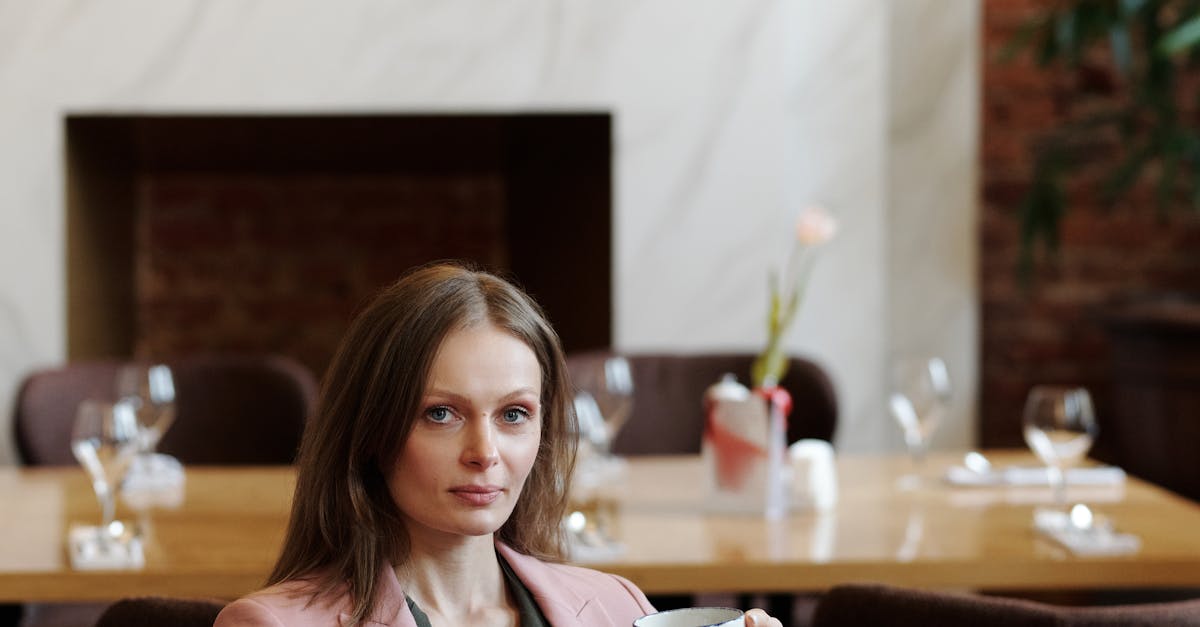
A quiet café meeting after work. That’s the visual, right? Two people, a conversation that doesn’t have to go anywhere. No performance. Just presence. That’s the kind of scene this facilitates.
Earlier I said dating apps don’t work. That’s not quite fair — some women I’ve spoken to have had genuinely good experiences. It’s more that for most women in this specific, high-pressure situation, the ratio of effort to reward is just… off. Which is why platforms like Secret Boyfriend are built around discretion, emotional compatibility, and zero judgment from the ground up.
The Unnamed Hunger
It’s loneliness — actually, no. That’s not the right word. It’s more like a specific kind of hunger. A hunger for someone who sees the part of you that isn’t the achiever. The part that’s just tired. The part that wants to watch a stupid movie and not talk.
Public relationships often can’t feed that. They’re too busy celebrating the achiever, the successful woman, the one who has it all together. They want to date the headline. Private companionship is built to see the subtext.
And I’ve seen women choose this and regret it. And others choose it and never look back. Both are true. It’s not a universal solution. It’s a specific tool for a specific problem. For the woman whose life is full of noise, it offers a kind of quiet connection that doesn’t ask for anything more than it gives.
Expert Insight
I was reading something last month — a piece on burnout in high-performing women — and one line stuck with me. The researcher said something like: the more capable someone is, the harder it becomes to ask for help in the ways we’re taught are acceptable.
Asking for a business mentor? Fine. Asking for a therapist? Getting more acceptable. Asking for a private, emotionally intelligent companion who provides consistent, judgment-free support? That’s a need we don’t have a clean category for yet. So it goes unnamed. It gets whispered about over coffee between trusted friends in Banjara Hills cafes. The researcher’s point applied to connection, too. Completely.
I don’t have a cleaner way to put it than that. The help you need isn’t always the help that’s publicly sanctioned.
Why Banjara Hills Feels This First
It’s not an accident. The density of high-achieving women here — the doctors with packed clinics, the tech founders, the partners at law firms — creates a kind of critical mass. One woman has a positive, low-drama experience. She mentions it, carefully, to one friend who she knows is in the same silent struggle. That friend looks into it. The pattern repeats.
It becomes an open secret not because it’s scandalous, but because it’s practical. It solves a real problem in a city that moves at Hyderabad’s pace. The professional culture in HITEC City and Gachibowli doesn’t leave much room for romantic trial and error. You need something that works, predictably, the first time.
This pragmatic approach to personal life is the same one these women apply to their careers. They identify a need. They research solutions. They implement the most efficient one. Applying that same lens to emotional needs isn’t cold — it’s smart. It’s self-preservation.
And that’s the gap that a service designed for this need was built to fill — quietly, without the noise of conventional dating. It’s about meeting emotional needs in a way that respects the structure of a demanding life.
Is This For You? Probably Not. Maybe.
Let’s not pretend. This isn’t for everyone. If you dream of a big public wedding, of merging your social circles completely, of a partner who is involved in every single facet of your life — this will feel wrong. And it should.
This is for the woman who looks at her life — the real, busy, complicated, beautiful life she’s built — and thinks: I don’t want to change this. I just don’t want to be so alone inside it.
It’s for the woman who has tried the other ways and found them wanting. Who is tired of dating feeling like a second unpaid job with terrible hours. Who values her peace above public perception.
The question isn’t whether you need more connection. It’s what kind of connection you have the space for. For some women, it’s the only thing that actually works.
Frequently Asked Questions
What exactly is discreet companionship?
Think of it as a modern, intentional relationship model focused on emotional support and meaningful connection, built around discretion and clear agreements. It’s the opposite of casual dating — it’s about consistent, reliable presence without the public performance or draining expectations of traditional romance.
Who typically looks for this in Hyderabad?
In my experience, it’s successful professional women aged 30+ in areas like Banjara Hills and Gachibowli. Women with demanding careers (doctors, executives, entrepreneurs) who value their time and privacy, and who find conventional dating to be an inefficient, emotionally expensive way to meet their need for adult connection.
How is this different from having an affair?
Completely different foundation. An affair is defined by secrecy and betrayal. This is defined by discretion and honesty. It’s a consensual, transparent arrangement between adults seeking a specific kind of connection, often when one or both parties are intentionally single or in open relationship structures that allow for it.
Isn’t this just paying for attention?
That’s a reductive way to see it. You’re not paying for attention — you’re investing in a structured, reliable framework for human connection that respects your boundaries. Just like you might pay a therapist for professional emotional support, this is a mutual agreement for companionship, ensuring compatibility, safety, and clear expectations from the start.
How do you ensure safety and discretion?
Any reputable service prioritizes verified identities, clear communication of boundaries, and a professional process. It’s about creating a container where both people feel safe to be themselves. Discretion isn’t about hiding something shameful; it’s about protecting the private, personal nature of the connection from public scrutiny.
So, Where Does That Leave You?
Probably thinking. Maybe a bit relieved someone named it. This quiet trend in Hyderabad isn’t about giving up on love or connection. It’s about redefining what support looks like on your own terms.
It’s an acknowledgment that you can be deeply successful and still have a very human need for companionship that doesn’t complicate the success you fought for. The two things don’t have to be at odds.
I don’t think there’s one answer here. Probably there isn’t. But if you’ve read this far, you already know what you’re looking for — you’re just figuring out if it’s okay to want it in this specific, practical, quiet way.
Curious what this actually looks like in practice? Take a look — no commitment, no noise.