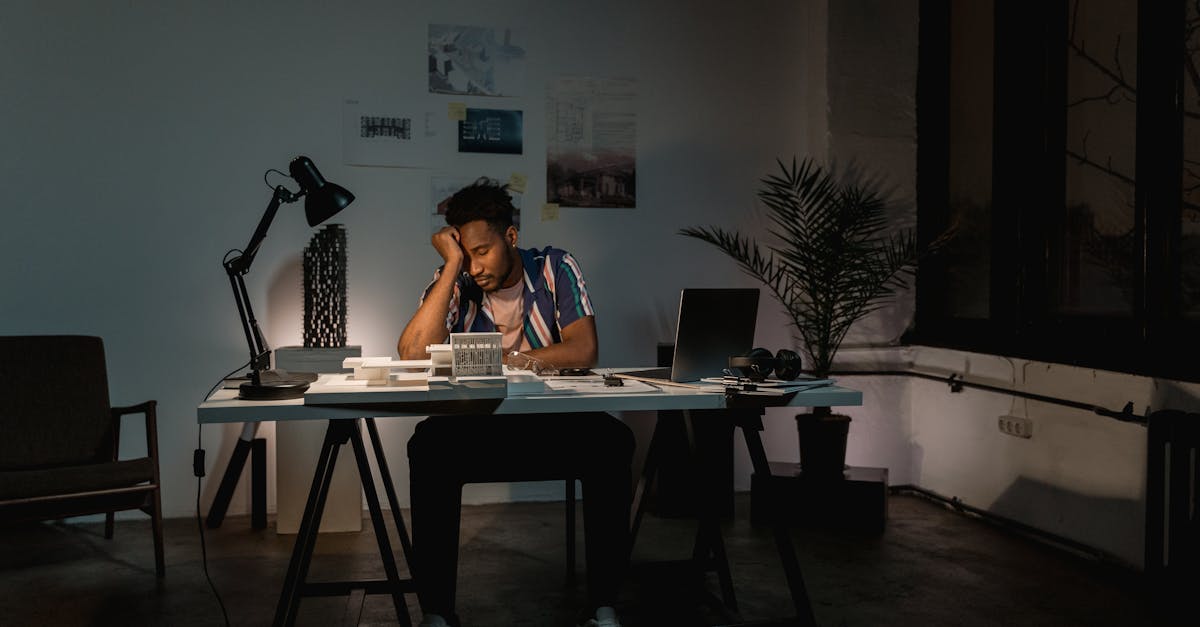
You Can’t Curate an Empty Home
You spend your days creating spaces that feel lived-in for other people. You know the exact shade of warmth a throw pillow adds, the way a certain chair can make a room breathe, the texture of a rug that makes someone finally relax. You’re good at it. Really good. And at 11 PM, after the client calls and the supplier emails are finally quiet, you walk into your own apartment — the one you haven’t really ‘finished’ for yourself — and the silence hits you like a physical thing. Right? That’s the thing nobody tells you about being this good at building atmospheres for others. It can make the quiet in your own life feel… louder. Sharper. Like a missing accent wall you can’t find the right colour for.
Most of the women I talk to in this field — the ones running studios in Banjara Hills, juggling projects in Jubilee Hills — aren’t looking for grand romance. Not right now. Nine times out of ten, they’re looking for the emotional equivalent of that perfect side table. Something that fits the space they have available. Something that complements the life they’ve built, without demanding they remodel the whole thing.
If you've ever felt the stark contrast between your curated professional world and a quiet personal life, you're not alone. Many successful women face this, and the struggle for personal life balance is a real, daily negotiation.
Here's the thing — dating feels like another client presentation. You have to explain your schedule, justify your late nights, perform a version of yourself that's ‘available’. And after a day of managing budgets, calming anxious clients, and sourcing impossible-to-find fabrics, the last thing you want is to manage someone else's expectations of you.
Wondering if something like this could work for you? See what it actually looks like — quietly, no judgment.
When Your Vibe Is Your Brand, Your Privacy Is Your Peace
An interior designer's life is public, in a way. Your Instagram is your portfolio. Your taste is your currency. Your name is attached to spaces people live in. That visibility? It's amazing for business. It's exhausting for everything else. Every new person you meet becomes a potential ‘look’ — are they judging your aesthetic? Are they a future client? Can they be trusted not to screenshot your stories?
I think — and I could be wrong — that this is the biggest reason conventional dating fails for women in creative, public-facing fields. Your vibe is literally your brand. Bringing someone into that means letting them see the messy backroom, the sample swatches you got wrong, the invoices piled up. That's vulnerability on a professional level, not just a personal one. It's a headache, honestly.
Consider Anya — a 37-year-old studio owner in Gachibowli. Her Instagram is all clean lines, natural light, and perfectly styled bookshelves. She got home last Thursday at 9:45. Poured a glass of water. Scrolled through three dating app notifications from men whose profiles screamed “investment banker looking for a plus-one.” She didn't open a single one. She didn't have the energy to be ‘Anya the Designer’ for one more person that day. She just wanted to be a person. A person who was tired.
What she needed — what a lot of women in her position need — wasn't a public boyfriend. It was a private connection. Someone who existed outside the grid of her professional identity. Someone she didn't have to ‘style’ for.
The Comparison Nobody Wants to Make (But Should)
Let's just lay it out. Because if we're talking about what fits a designer's life, we should compare the options like we would compare fabric swatches. What's the texture? What's the maintenance? How does it wear over time?
| The Conventional Choice | The Modern Alternative |
|---|---|
| Public & Performative. Dates feel like networking events. Your relationship becomes part of your social media narrative, whether you like it or not. | Private & Personal. The connection exists for its own sake, not for an audience. No pressure to 'showcase' your partner. |
| High Emotional Overhead. You're constantly explaining your creative process, your unstable income cycles, your client demands. It's a second job. | Low-Pressure Understanding. Comes with a baseline understanding of a demanding creative career. You don't start from zero. |
| All-or-Nothing Timeline. The expectation is a linear path: dating, relationship, moving in, marriage. It's a full renovation project. | Flexible & Fits Your Space. It adapts to the contours of your existing life. Like adding a single, stunning piece of art instead of redoing the entire room. |
| Brand Risk. A messy public breakup? Client gossip? It can impact professional reputation in a close-knit city like Hyderabad. | Discretion Built-In. Privacy isn't an afterthought; it's the foundation. Your professional image remains yours to control. |
| Generic Compatibility. Swiping on apps that prioritize looks and vague bios. You're matched on algorithms, not on lifestyle reality. | Intentional Alignment. The focus is on emotional and logistical compatibility first. Does this fit the life you actually have? |
Look, I'm not saying one is ‘better’. I'm saying one is designed for a different kind of life. The kind of life where your time, your energy, and your peace are the only things that matter here. You wouldn't put a high-maintenance silk rug in a family entryway. You'd choose something beautiful but durable. Something that works.
Expert Insight
I was reading an interview recently with a psychologist who works with high-performing creatives. She said something that stuck — I'm paraphrasing, but it was close to this: For people whose work is an expression of their identity, personal relationships can feel threatening if they demand the same kind of performance. The act of creating is vulnerable. Adding another layer of vulnerability on top of that, with someone who doesn't understand the process, can feel… dangerous. It makes you want to shut down completely. Which is exactly why so many successful designers have incredibly fulfilling work lives and strangely quiet personal ones. It's not a lack of desire. It's a surplus of self-protection.
What Are You Actually Shopping For?
Okay, let's get practical. If the idea of a private companionship for women in Hyderabad is shifting from ‘taboo’ to ‘tempting’ in your mind, what does that even look like? It's not about finding a person to fill a slot. It's about identifying what's missing from your emotional space and finding a piece that fits.
For most designers I speak to, it boils down to three non-negotiables. Things they'd never compromise on for a client, but often compromise on for themselves.
- Discretion That's Non-Negotiable. This isn't about secrecy in a shady way. It's about boundaries. Your creative process, your client list, your after-hours life — they're yours. A meaningful private connection respects that from day one. No explanations needed.
- Companionship, Not Caretaking. You don't need someone to manage your life. You manage multi-crore projects. You need someone to be a plus-one to that gallery opening without making it about them. Someone to have a late dinner with where you talk about anything except backsplashes and mood boards.
- Schedule Synchronization. Someone who gets that your ‘weekend’ might be a Tuesday, that a site visit can run four hours over, that inspiration hits at weird times and you need space for it. They don't see your career as an inconvenience to the relationship. They see it as the reason the relationship works.
This is the gap that something like Secret Boyfriend was built to fill — quietly, without the noise of conventional dating. It's built for the woman who has built everything else.
The Quiet Relief of Not Performing
I want you to imagine a very specific scene. It's after a long day. You're meeting someone. You show up as you are — maybe still in your comfy studio clothes, hair a bit messy from running your hands through it while thinking. You don't apologise for being late. You don't launch into the story of your catastrophic day as a form of apology. You just… sit down. And they get it. The silence is comfortable. The conversation picks up easily, about nothing in particular. There's no audition happening. You're just a person, having a drink with another person.
That feeling? That's the accessory. That's the piece your life might be missing. Not a person, but a context. A context where you are not the expert, the curator, the problem-solver. You're just you.
The emotional need here is so specific. It's not loneliness in the classic sense — it's the fatigue of constant presentation. It's why so many seek emotional wellness in forms that don't add more to their plate. They need something that takes the edge off the performance, not another stage.
And honestly, I've seen women choose this path and light up in a way their successful careers somehow never quite managed to trigger. I've also seen them decide it's not for them. Both are true. Both are fine.
The question isn’t whether it’s right or wrong. The question is whether it fits the life you’ve already so beautifully built.
Frequently Asked Questions
Isn't this just a transactional relationship?
That's the first thing everyone asks. And look, if you mean ‘transactional’ as in both people are clear about what they need and what they can offer — then yes, I guess. But isn't that just honesty? A traditional relationship has unspoken transactions too: time for emotional support, companionship for security. This just makes the terms respectful and clear from the start. It means that no one is guessing.
How do you ensure real emotional connection in such an arrangement?
You build it. Same as any connection. The difference is the foundation. You start with compatibility on practical things — schedule, need for privacy, lifestyle — which are often the very things that break traditional relationships for busy professionals. When those are aligned, you have the space and safety to build a genuine bond. It's not a substitute for connection; it's a structure that allows one to grow without the usual weeds choking it.
Won't I get attached?
Maybe. Probably. That's kind of the point, isn't it? The goal isn't to avoid feeling things. The goal is to feel them in a context that doesn't also ask you to sacrifice your career, your privacy, or your peace. Attachment in a secure, boundaried space can feel safer, not scarier. It's a different kind of risk.
What about the long term? Where does this go?
I don't know. Maybe nowhere. Maybe somewhere surprising. The freedom here is that it doesn't have to go to a pre-defined destination. It can just be what it is, for as long as it works. For women who are used to mapping out every project to completion, that can feel unnerving. It can also feel like a massive relief. Not everything has to be a forever plan. Some things are just… for now. And that's enough.
Is this common among professional women in Hyderabad?
More common than you'd think. It's just not something people talk about at brunch. But in the quiet conversations after long days, in the confessions between women who run things, it comes up. The desire for private relationships that don't complicate their public success. Hyderabad is a city of ambitious builders. Sometimes what you build for yourself looks different from the blueprint everyone else uses.
So, What’s the Takeaway?
Probably the biggest reason a private connection makes sense for a creative professional is this: you already spend your life making beautiful, functional spaces for others. You understand that design is about solving a human problem with grace. Your own life deserves the same thoughtful approach. It's okay to want something that fits, something that feels designed for you, not for the expectations of your family, your clients, or your Instagram followers.
It's not about finding ‘the one.’ It's about finding one thing that makes your already-full life feel a little more complete. A little less quiet when you walk in the door. A little more like the homes you create for everyone else.
I don’t think there’s one answer here. Probably there isn’t. But if you’ve read this far, you already know what you’re looking for — you’re just figuring out if it’s okay to want it.
Curious what this actually looks like in practice? Take a look — no commitment, no noise.