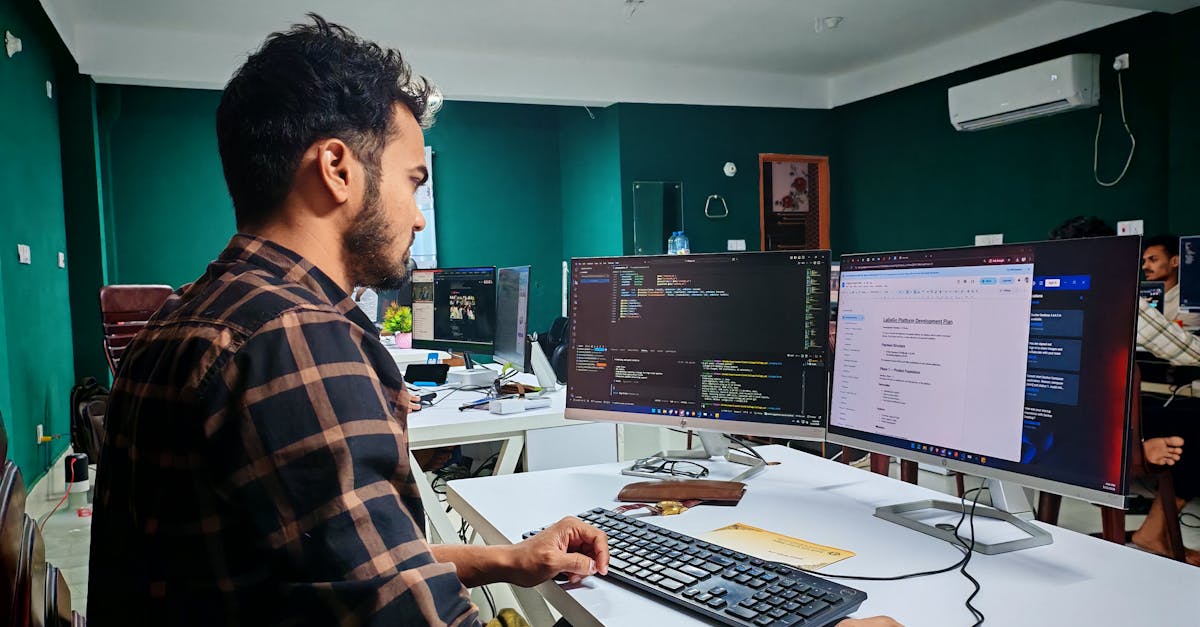
That 8pm silence
There’s a quiet that settles over Begumpet around 8pm. It’s not the end of the day — for software engineers, it’s often the start of another. The code reviews are done, the Slack notifications silenced. And what fills that space isn’t peace. It’s a question. “Is this it?” I’ve heard that question from women in this neighborhood more times than I can count. They’re not asking about their career. They’re asking about the silence after it.
The secret life isn’t about secret work. It’s about the life that happens between the lines of code, after the last commit, before the next sprint planning meeting. It’s the part nobody writes in their LinkedIn bio.
The monotony they don’t talk about
Let’s be clear: the work isn’t monotonous. Solving complex problems, architecting systems — that’s engaging. The monotony is elsewhere. It’s in the rhythm of their non-work life. Or the lack of one.
Weekends blur into weekdays. Dinner becomes a solo meal at the same kitchen counter. Social plans are made, then cancelled because an urgent bug fix comes up. You start to notice patterns. The same three apps for entertainment. The same two friends for conversation. The same solitary walk around the neighborhood park.
It’s not loneliness, exactly. It’s predictability. And predictability, after a while, feels like a cage. This is where many women start looking for something to break that emotional routine. Not a distraction — a different rhythm.
Expert Insight
I was reading a study on high-pressure tech careers last month — I think it was from a Stanford researcher — and one line stuck with me. It said something like: “The cognitive load of problem-solving at work can deplete the emotional bandwidth needed for problem-solving in personal life.” Which makes perfect sense. You’re solving complex backend issues all day. By evening, you don’t have the mental energy to solve the puzzle of a new conversation. You default to the known path. The monotony isn’t a choice; it’s a cognitive shortcut.
A real-life moment
Consider Ananya — a 32-year-old senior backend engineer in Begumpet. Her team shipped a major feature last Thursday. Celebration? She ordered the same biryani she always orders. Sat at her desk. Watched one episode of a show she’s already watched. The victory felt… hollow. Not because the work wasn’t meaningful. Because the moment after the work was empty.
She didn’t call anyone. Didn’t want to explain the technical win to someone who wouldn’t grasp its significance. Didn’t want to perform excitement. She just sat there. Forty-seven unread messages on her phone. Third coffee of the day. No food since lunch.
That’s the monotony. It’s not boredom. It’s isolation within a routine you’ve built yourself.
What breaks it — and what doesn’t
Most women try the obvious things first. Dating apps. Social meetups. Reconnecting with old friends. And sometimes those work. But often, they add another layer of performance. You’re not just an engineer anymore; you’re explaining your job, your schedule, your life. It becomes another problem to solve.
What actually breaks the monotony isn’t more activity. It’s a different kind of connection. One that doesn’t require explanation. One that exists alongside your career, not in competition with it. This is where the idea of a meaningful, private emotional connection starts to make sense for some. It’s not about replacing your social life. It’s about adding a layer that doesn’t drain you.
| Traditional Socializing | Private Companionship |
|---|---|
| Requires scheduling around work emergencies | Flexibility built around your calendar |
| Often involves explaining your technical world | Acceptance of your career as a given, not a topic |
| Can feel like another performance | Focuses on being, not performing |
| Energy drain after high-cognitive days | Designed to be low-cognitive load |
| Risk of mismatched expectations | Clear, mutually understood boundaries |
Look, I’ll be direct. The second column isn’t for everyone. But for women whose emotional bandwidth is already spent on complex systems, the first column can feel like another system to debug.
The emotional need underneath
Here’s the thing — Begumpet’s software engineers aren’t short on intellectual stimulation. They’re short on emotional resonance. The work is abstract. The victories are often invisible to anyone outside the team. You need someone who understands that a successfully deployed microservice is a real win. Or doesn’t need to understand it, but respects it.
This need isn’t about romance. It’s about recognition without translation. It’s about sharing a quiet moment that doesn’t require a preamble of “let me explain what I actually do.”
I’ve spoken to women who tried forcing traditional dating into this gap. It mostly added stress. The mismatch between their internal world and external expectations became another problem to solve. Which is exhausting.
So what works?
Honestly? There’s no one answer. But the women who find a way out of the monotony often share a common approach: they stop trying to fit their personal life into the same framework as their work life.
They don’t optimize. They don’t architect. They simply allow for presence. Sometimes that presence comes from a friend who already knows their world. Sometimes it comes from a partner who lives in a completely different world but appreciates theirs. And sometimes — for some women — it comes from a private, discreet connection that exists purely to fill that specific emotional space, with zero overlap with their professional identity.
The key is intention. You’re not looking for another project. You’re looking for a reprieve.
If you’re curious about what that kind of connection could look like, explore how it works here — no pressure, no commitment.
Frequently Asked Questions
Is this about finding a boyfriend?
Not necessarily. It’s about breaking the emotional monotony that comes with high-pressure careers. For some, that means a romantic partner. For others, it means a deep, private companionship that provides resonance without the complexities of traditional dating.
Do software engineers really struggle with this more?
I think they do, but maybe not in the way people assume. The struggle isn’t with the work; it’s with the cognitive spillover. Solving abstract problems all day can make real-world social problem-solving feel disproportionately draining.
Can’t friends fill this gap?
They can, absolutely. But many engineers find their close friends are also in tech, which means conversations often loop back to work. A connection outside that bubble can provide a different kind of mental break.
Is this a common feeling among women in tech?
Based on conversations I’ve had, yes. The specific texture of the feeling varies, but the core experience — victory at work followed by quiet emptiness at home — is remarkably common.
How do you start addressing this?
First, acknowledge it’s real. Second, stop trying to “solve” it like a technical problem. Third, explore what kind of connection would actually feel like a reprieve, not another task. That exploration can be private and gradual.
Wrapping up
The secret life of a Begumpet software engineer isn’t a secret because it’s hidden. It’s a secret because it’s unspoken. The monotony isn’t in the code; it’s in the silence after the code is done.
Breaking that cycle doesn’t require a grand change. It often starts with allowing a different kind of presence into your life — one that understands, or doesn’t need to understand, the weight of your work.
Wondering if a more private, intentional connection could be that presence for you? See what it actually looks like — quietly, no judgment.