The Silence After the Last Call
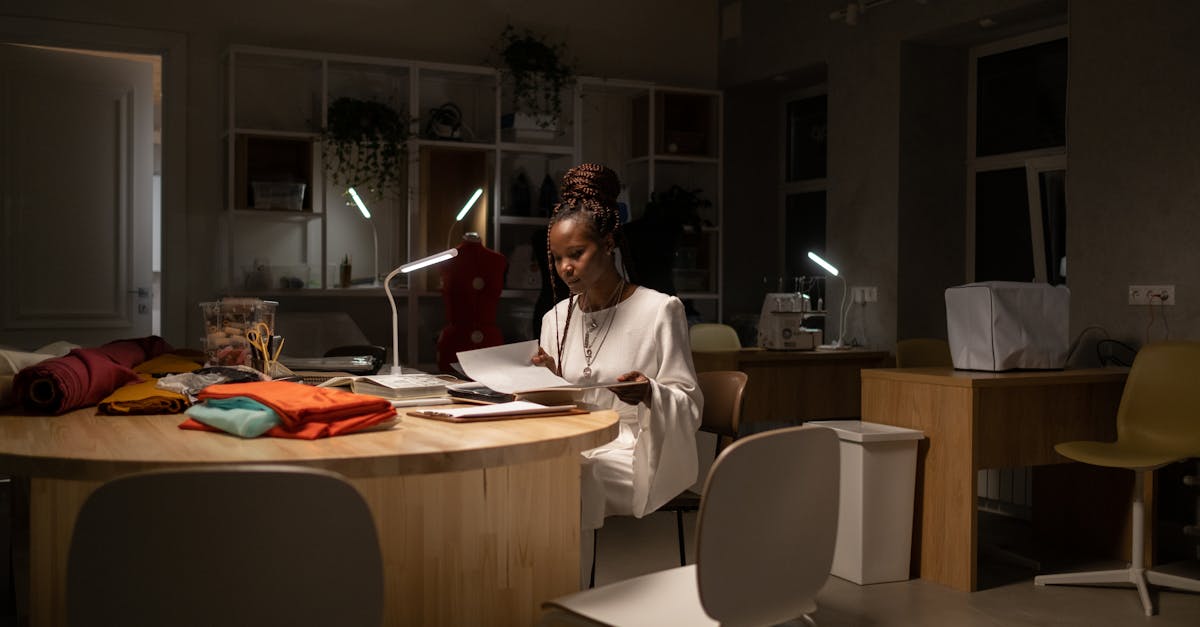
3am. The traffic on Road No. 12 is finally quiet. Your laptop screen glows in the dark of a Banjara Hills apartment that feels too big. You just closed a deal. The client is happy. Your team is happy. And you’re sitting there, completely empty. Not tired. Empty. Like someone unplugged the main power supply to your feelings. The mental exhaustion is real — but it’s not the kind you can explain over coffee the next day. Because how do you say ‘I have everything and I still feel completely alone’ without sounding ungrateful or, worse, unstable?
Most of the time, anyway.
I think — and I could be wrong — that this is the most common secret in Hyderabad’s corporate circles. Women leading teams, building companies, managing portfolios, sitting in corner offices. And at night, they’re just… sitting. With a feeling they can’t name and can’t share. It’s loneliness — actually, that’s not the right word. It’s more like a specific kind of hunger for connection that doesn’t interfere with the career you fought for. The question isn’t why you feel this. It’s what you do with it when nobody’s watching.
If any of this feels familiar, this might be worth a look. No commitment. Just clarity.
It’s Not Burnout. It’s Emotional Isolation
Here’s the thing — everyone talks about burnout. The 12-hour days. The endless meetings. The pressure. But what happens when the work stops is something else entirely. It’s the sudden quiet that amplifies everything you’ve been ignoring. The emotional static that the noise of the day drowned out. You’re not crashing from overwork. You’re confronting the absence of something that work can’t provide.
Think about Kavya — a 38-year-old corporate lawyer in Jubilee Hills. Her week is back-to-back negotiations, client dinners, strategy calls. Her weekends are for recovery, not connection. She’s surrounded by people constantly. Associates, partners, clients, her assistant. She hasn’t had a real conversation — the kind where you don’t perform, don’t manage impressions, don’t choose your words — in maybe six months. Probably longer. She’s not burnt out. She’s emotionally parched. And a spa day or a vacation doesn’t fix that.
This is the gap. You need — and need badly — a space where you don’t have to be ‘on’. Where the conversation isn’t a transaction. Where you can be exhausted, confused, or just quiet, and that’s okay. That’s the actual need. Not more self-care rituals. A real, human connection that doesn’t ask you to be impressive.
Expert Insight
I was reading something last month — a piece on emotional bandwidth in high achievers — and one line stuck with me. The researcher said something like: the brain’s capacity for emotional labor is finite. Professional success often consumes the entire allotment, leaving nothing for personal life. It’s not a character flaw. It’s a resource allocation problem. I don’t have a cleaner way to put it than that. You’ve spent all your emotional currency at the office. There’s none left for your own life. Which explains why scrolling through Instagram or swiping on a dating app after work feels so… repulsive. It’s more emotional labor. You’re tapped out.
The Unspoken Trade-Off: Success for Solitude
Look, I’ll be direct. The career path you chose in Hyderabad — whether in HITEC City tech or Banjara Hills finance — comes with a built-in loneliness. The higher you climb, the fewer people truly understand your world. Your old friends might not get the pressure. Your family might just tell you to ‘slow down’. Potential partners often want more time, more attention, more explanation than you can possibly give. So you pull back. You choose solitude because it’s simpler. Less draining.
But solitude slowly becomes isolation. And isolation, over time, becomes its own form of exhaustion. It’s a heavy weight to carry alone. The frustration of not being able to share your wins, because explaining the context feels like another meeting. The weariness of managing other people’s emotions all day and having no outlet for your own.
This is where the search for emotional wellness starts for so many women. Not with grand gestures, but with a simple, quiet acknowledgment: I need something work isn’t giving me. I need someone who gets it without a briefing document.
Dating Apps vs. Real Emotional Connection: Why One Feels Like Work
Dating apps feel exhausting after a 12-hour workday. Swipe, match, explain yourself all over again. No thank you. It’s another performance. Another profile to curate. Another series of questions that feel like a job interview. ‘What do you do?’ ‘What are you looking for?’ You just spent ten hours being interrogated. The last thing you want is another round.
The table below makes it pretty clear why the conventional path often fails women who need emotional clarity, not more complexity.
| Aspect | Traditional Dating / Apps | Focused Private Connection |
|---|---|---|
| Energy Input | High. Requires active marketing, endless chatting, frequent disappointments. | Low. Compatibility is pre-vetted. The focus is on connection, not discovery. |
| Emotional Labor | Extreme. Constant explaining, managing expectations, navigating ambiguity. | Minimal. The context is understood. You can skip to the real part. |
| Privacy Level | Low. Public profiles, social media integrations, mutual friends. | High. Complete discretion is the foundation, not an afterthought. |
| Pace Control | Unpredictable. Driven by app algorithms and others’ expectations. | Yours. You set the frequency and depth based on your actual capacity. |
| Outcome | Often vague. May lead to more emotional confusion than clarity. | Defined. The goal is consistent emotional support and genuine companionship. |
Nine times out of ten, women choose the second column not because they don’t want love, but because they need replenishment first. You can’t build a relationship on an empty tank.
…which is exactly why platforms like Secret Boyfriend are built around discretion, emotional compatibility, and zero judgment.
What Finding Emotional Clarity Actually Looks Like
It’s not a dramatic revelation. It’s small. It’s the relief of not having to tell your story from the beginning. It’s having a Thursday night dinner where you can talk about the terrible board meeting without someone asking ‘What’s a board meeting?’ or giving you unsolicited career advice. It’s presence without performance.
Consider this a quiet cafe off Road No. 10. Two people talking. No phones. No posturing. Just a real conversation that takes the edge off the week. That’s the visual. That’s the actual thing. It’s someone who understands that your time is limited and your emotional energy is precious, and doesn’t ask you to waste either.
Earlier I said dating apps don’t work. That’s not quite fair — some women I’ve spoken to have had genuinely good experiences. It’s more that for most women in this specific situation, the ratio of effort to reward is just… off. When you’re already mentally exhausted, you need a direct path to connection, not another maze.
This is the core of finding a meaningful private connection. It’s choosing a context where your needs are the starting point, not an inconvenience.
Your Next Step Isn’t a Decision. It’s a Question.
I’m not saying this is for everyone. I’m saying — for some women, it’s the only thing that actually works. The bridge between a successful career and a personally fulfilling life. It’s okay to want both. It’s okay to need help getting there.
The mental exhaustion late at night is a signal. It’s telling you something is missing. Ignoring it doesn’t make you stronger. Acknowledging it is the first step toward actual emotional clarity. The kind that lets you enjoy your success instead of just surviving it.
I don’t think there’s one answer here. Probably there isn’t. But if you’ve read this far, you already know what you’re looking for — you’re just figuring out if it’s okay to want it.
Curious what this actually looks like in practice? Take a look — no commitment, no noise.
Frequently Asked Questions
Is feeling mentally exhausted after success normal?
Yes, and it’s more common than you think. Success often demands so much emotional and mental energy that there’s little left for personal life. The exhaustion isn’t from failure; it’s from the constant performance and lack of a safe, private space to be yourself.
What’s the difference between being alone and being lonely?
Aloneness is a physical state. Loneliness is an emotional one. You can be in a room full of people and feel profoundly lonely if those connections lack depth or understanding. Many professional women have plenty of aloneness but crave genuine connection to combat loneliness.
Why can’t I just talk to my friends or family about this?
You might, but they often can’t relate to the specific pressures of your world. Explaining your context becomes another task. Emotional clarity often requires talking to someone who already understands the landscape of high-stakes careers in places like Banjara Hills or Gachibowli.
How do I find emotional clarity without risking my privacy?
By seeking connections built on discretion from the start. Look for frameworks where your professional reputation is protected, and the connection exists separately from your public social and work circles. Privacy isn’t an add-on; it needs to be the foundation.
Is seeking private companionship a sign of weakness?
Absolutely not. It’s a sign of high self-awareness and resourcefulness. It means you understand your emotional needs and are taking intelligent, controlled steps to meet them, much like you’d hire an expert for any other important area of your life. It’s strategic, not desperate.